New year detox – get juicing!


pr, copywriting & social media for small business
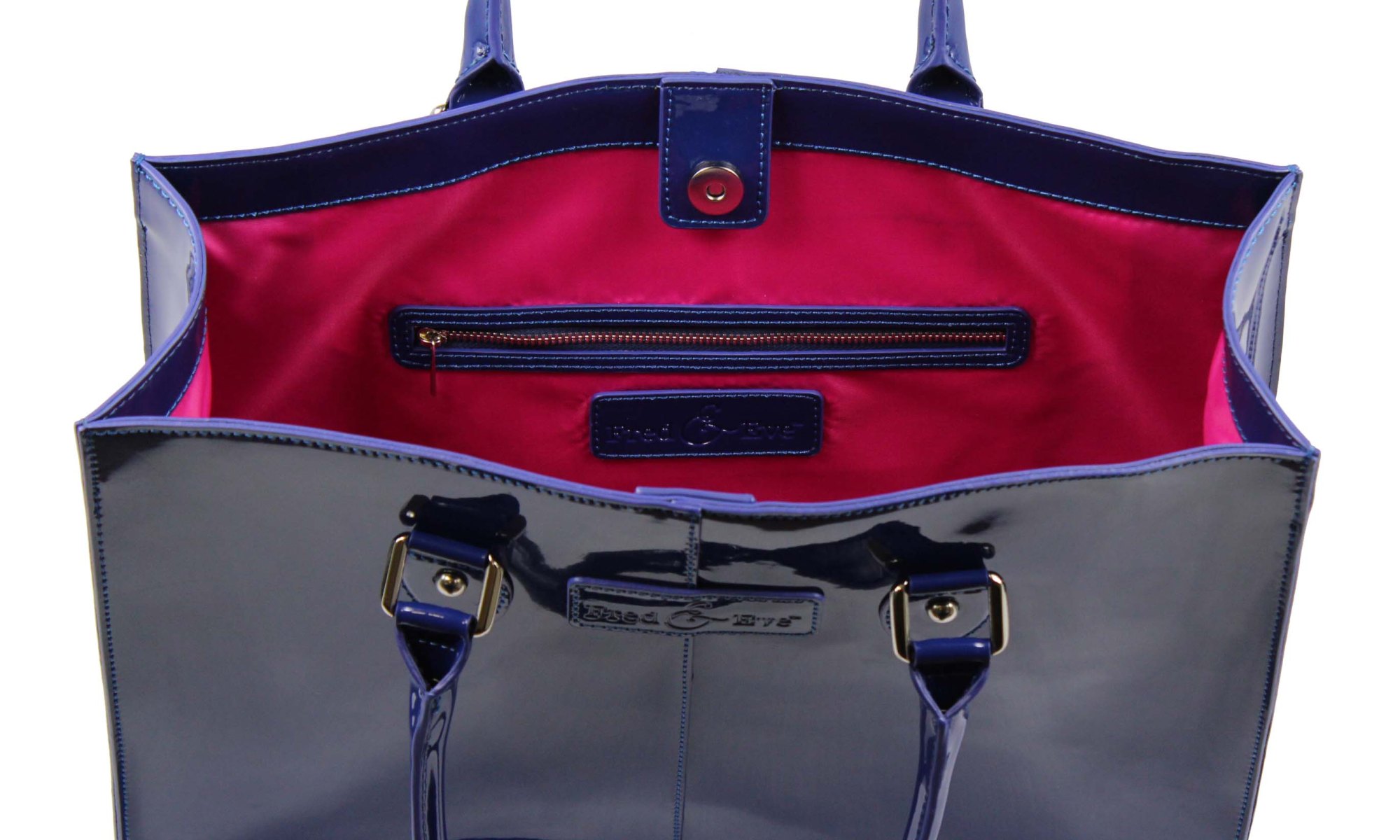

With fun, colourful, beautiful linings
Coco Chanel was famous for her quote: “Beauty is a God given gift that is perfected from the inside out”. Fred & Eve believes this to be as true for handbags as it is for people, so the British brand of designer inspired, yet accessible handbags ensures its bags are not only beautiful on the outside, but on the inside too.
Fred&Eve founder and designer, Nikki Britton believes that a fabulous handbag, no matter its size, should be not only desirable for its style and design, but also for its function.
So every aspect of a bag’s design should be considered from its outside design, to its fastenings, pockets and lining.
“I chose to make our linings colourful because we should love every aspect of our handbags”, says Nikki. “A favourite handbag is like a best friend – guaranteed to put a smile on…
View original post 377 more words
Fashion retailer FRED&EVE relaunches with three collections of high quality, stylish handbags
Online fashion retailer, Fred&Eve has relaunched as The Home of the Handbag, with three distinct labels of exclusively designed, high quality, fashion handbags: Fred&Eve, SaintB and TrulyRocks.
 Fred&Eve launched in 2012, with carefully selected collections of clothing, accessories and footwear. As the business took off, it quickly became obvious that the company’s heart and that of its customers lay firmly with their handbags and the company has just relaunched to focus solely on handbags.
Fred&Eve founder and designer, Nikki Britton believes that a great handbag, no matter its size, should be not only desirable in terms of style and design, but also functional.
A self-confessed handbag addict and former buyer for major British clothing retailers, Nikki Britton has developed her own system of selecting and designing handbags:
“All of our handbags are appraised at design level using…
View original post 315 more words

If you’re really struggling to find a permanent babysitter or nanny, but have around US$1900, then Japanese mobile phone company, SoftBank, could have the answer. The company will start selling its multi-tasking Robot helper and friend, Pepper, in February 2015. So get saving! Continue reading “Pepper the robot babysitter”
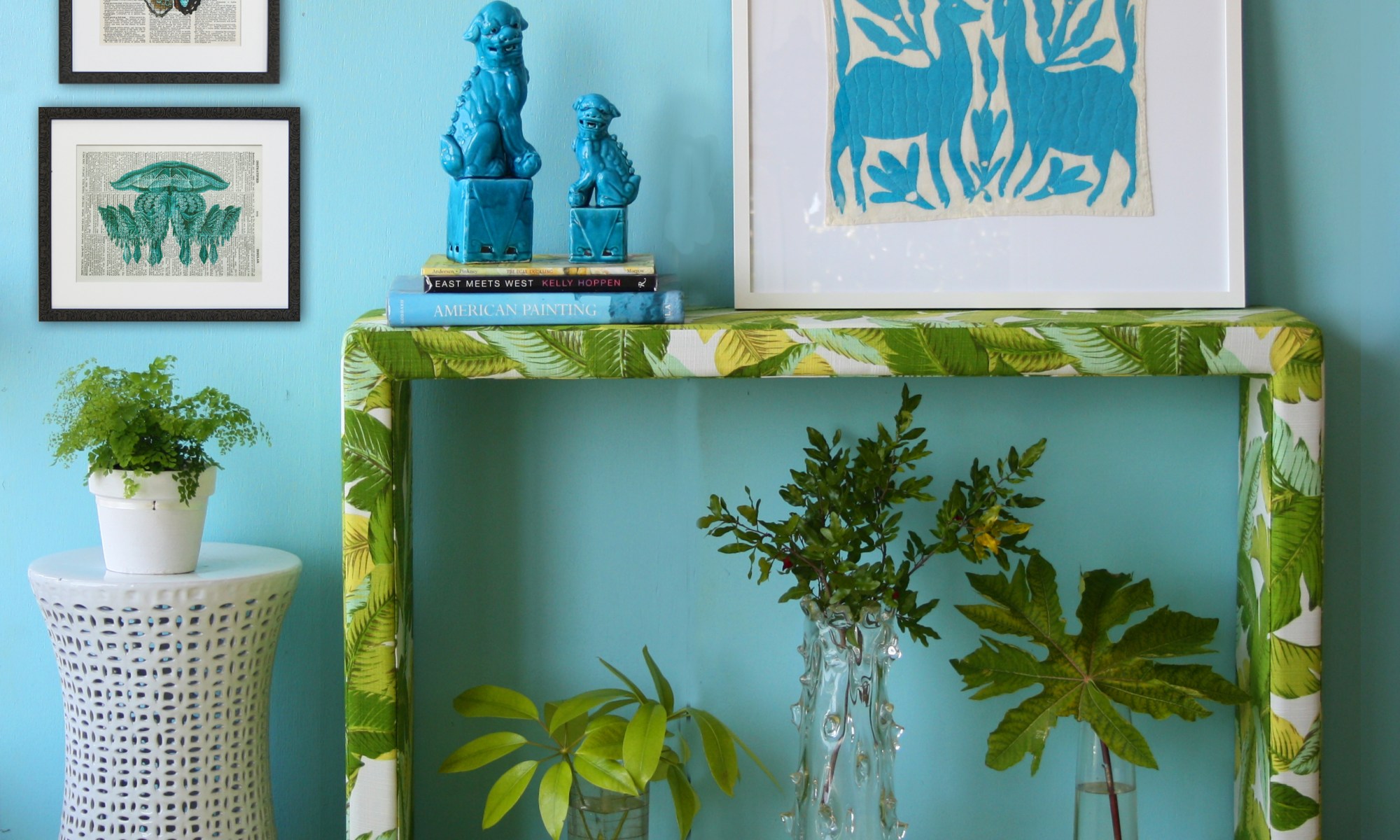
If you’re not particularly green fingered, but want a bit of foliage in your home and to bring the outside inside, then a great way to add some plant life is with accent pieces of furniture and accessories with botanical motifs, colours and prints.
At Eco Chic, the online emporium for eco conscious homewares, we’re constantly inspired by the beauty of our lush coastal Queensland surrounds. We love a bit of foliage!
Many of our pieces have been designed to incorporate vegetation. Here are our top picks for beautiful botanicals.
View original post 295 more words

Bring a little bit of luxury to every home.
Gypset Cargo (formerly Gia Collectione), the Australian homewares label by brilliant lighting designer, Jillian Middleton, has a brand new collection of exquisitely designed, handcrafted chandeliers and pendants to bring a little bit of luxury to every home. Continue reading “New American Glamour Chandeliers by Gypset Cargo”
The latest labour force statistics from the Australian Bureau of Statistics form the last census say that in June 2012, there were 641 thousand one parent families with dependants, and most (84%) were single mother families.
In half (50%) of one-parent families with dependents, the age of the youngest child was between 0 and 9 years old. Managing home and work life with young children is physically, emotionally and financially hard enough hard enough if you’re in a relationship with a supportive partner. Imagine what it’s like on a daily basis when you’re completely on your own.
So it’s not surprising that many single mums are teaming up with likeminded single parents to share the load of household bills, chores and child care.
If you Google “single parent required for house share” you get a whole raft of Gumtree ads; house share sites; mums forums; single parent forums and general accommodation sites, all with the same thread: Single parents (mainly, but not exclusively mums) looking for similar lone parents to share the burden of household duties, bills and rent.
The cost of living is increasing, everywhere. Australia has a particularly high cost of living and both sales and rental prices for property are sky high. For many dual income families, the cost of property is almost impossible, so it’s even more untenable when you’re suddenly having to cover it all yourself and not between you and a partner.
The fact is that you can get a much nicer place if you double your budget and buddy up with someone else, but it’s not that easy when you’re a single parent with one or more small children in tow.
Many women have friends they can do this with, but if you’re new to a city or area and don’t have any friends in a similar situation to you, then you have to put yourself out there.
Not all mums have support, financially or otherwise, from their former partner, or from their family. They need help paying the bills; they’d like a bit of friendship, support and company for both themselves and their child. There are some dads, but generally speaking they only have their kids at the weekends but are happy to muck in at other times.
Sydney based Sophie Andrews suddenly found herself and her two-year-old daughter in an accommodation dilemma when she split from her partner.
A close friend had also separated from her partner at the same time and the two friends found themselves living in rental properties that neither could afford.
The only alternative either of us could afford individually was a tiny 2-bedroom apartment. So they joined forces and were able to rent a huge 4-bedroom house with a lovely garden. The rent split between them was $100 a week less than if they had each moved into that tiny flat separately!
“By pooling our resources, we could not only afford to live in a house that was way beyond our means individually, but there were other benefits which contributed hugely to improving those first couple of years of separation”, Says Andrews.
Sophie recognised that having a friend in a similar situation was very lucky, but that most women were not in such a fortunate position. She founded SPACE4.com.au, a website dedicated to providing single parents with alternative living arrangements and childcare assistance at what is usually a very lonely and financially difficult time.
SPACE4 has been running for seven years and is Australia’s leading single parent site for house share, friendship, holiday share & childcare exchange. It offers an online database of single parents, looking to either share a house with another single parent, or to contact other one-parent families in their area with a view to sharing childcare and babysitting duties.
Members simply go through potential member matches by searching the profiles and contacting any prospective parents by email. It’s a great way to look in a secure environment where everyone is looking for the same thing.
Regardless of circumstances, it’s good to know you’re not alone. There are thousands of other single parents out there in the same position as you.
For more information on your child care options and benefits available to single parents, click here to see our article, and for information on single parent accommodation and lots of other issues, go to:
UK:
http://www.movethat.co.uk/London/Forum/Single_Parents/
Written and published for CareforKids.com.au http://www.careforkids.com.au/newsletter/2014/october/8/share.html

Mental Health Week is a national event, which runs from Oct 5 to 12 and coincides with World Mental Health Day (10 October). The aim is to promote awareness about mental health and wellbeing, and equip people with the right information.
As part of Mental Health Week we have chosen to highlight the issue of Baby Blues and Postnatal Depression. Do you know the difference between Baby Blues and Postnatal Depression? Could you spot depression in yourself, a friend or partner? And if you did, would you know what to do about it?
Being pregnant and giving birth and all that it entails is a hugely emotional and life-changing experience. Hormones are raging, our body is changing and we experience sleeplessness, anxiety, acute tiredness, tearfulness and many other symptoms, which are all perfectly normal with everything that’s going on.
For one to two weeks after giving birth, many women also experience a short period of mood swings, tearfulness, anxiety and difficulty in sleeping. This can affect up to 80% of new mums and is known as the baby blues and is thought to be linked with the stresses associated with late pregnancy, labour and delivery, along with the rapid hormonal changes that accompany the birth.
Symptoms generally settle during the first week after birth, but for some women these symptoms can carry on for much longer and may be the much more serious condition of postnatal depression. It can also affect partners of new mums as well.
Postnatal or Perinatal Anxiety and Depression (PND) is thought to affect approximately 20 per cent of women who give birth in Australia – around 50,000 women each year, and 10 per cent of their partners.
Postnatal depression can affect women in different ways, but the main symptoms of postnatal depression are:
Other symptoms can include:
Left untreated, the impact on the mother, her child and other family members can be profound. Perinatal Anxiety and Depression is a recognised medical condition, the result of biological, psychological and social factors.
With celebrities such as Jessica Rowe, Gwyneth Paltrow, Courtney Cox, Brooke Shields, Elle Macpherson, Britney Spears and Marie Osmond bringing the tragic illness into the public arena on a worldwide scale, the Gidget Foundation is one of the key non-government funded organisations that work tirelessly in Australia to raise awareness of and funding for research and treatment for PND.
Postnatal depression often goes unnoticed and many women are unaware they have it, even though they don’t feel quite right, because the symptoms of are wide-ranging.
Mood changes, irritability and episodes of tearfulness are common after giving birth. These symptoms are often known as the “baby blues” and they usually clear up within a few weeks. However, if symptoms are more persistent, it could be postnatal depression.
Women who continue to feel “low” after a couple of weeks after giving birth, should go to see their GP to talk through how they’re feeling. The GP will ask the following two questions if they suspect postnatal depression:
If the answer is yes to either question, then postnatal depression is possible. If the answer is yes to both questions, it’s very likely and the GP may ask one further question: “Is this something you feel you need or want help with?” and there is absolutely no shame in saying Yes.
Some women don’t recognise they have postnatal depression, or they choose to ignore their symptoms, because they’re afraid of being seen as a bad mother.
Of course their friends and family are always supportive and would always want to help, but many women with postnatal depression feel they can’t ask for help. It becomes a very secret illness, not unlike a chronic eating disorder. And it can build up very quickly to dangerous levels, which can sadly sometimes lead to tragic consequences if left undiagnosed and untreated.
So it’s hugely important that friends and family also know the danger signs and can act if required.
If someone you care about starts to show these signs try to get help for them through your local health professional. Danger signs to look out for include:
Postnatal depression can be lonely, distressing and frightening, but there are many treatments available. As long as it’s recognised and treated, postnatal depression is a temporary condition you can recover from.
It’s very important to seek treatment if you think you or your partner has postnatal depression. The condition is unlikely to get better by itself quickly and it could impact on the care of the baby.
Treatment for postnatal depression includes:
Read more about treating postnatal depression.
The cause of postnatal depression isn’t clear, but it’s thought to be the result of several things rather than a single cause. These may include:
The following will put you at greater risk of developing postnatal depression:
Read more about the causes of postnatal depression.
You should tell your GP if you’ve had postnatal depression in the past and you’re pregnant, or if you’re considering having another baby. A previous history of postnatal depression increases your risk of developing it again.
If you keep your GP informed, they’ll be aware that postnatal depression could develop after your baby is born. This will prevent a delay in diagnosis and treatment can begin earlier. In the early stages, postnatal depression can be easy to miss.
The following self-help measures can also be useful in helping to prevent postnatal depression:
Read more about preventing postnatal depression and the self-help measures you can take. But the most important thing is to seek help. Talk to a partner, friend, family member or professional.
Click here for an amazing video on Dealing with Post Natal Depression from PANDA: “Behind the Mask: The Hidden Struggle of Parenthood”
Source:
The Gidget Foundation raises funds and awareness for perinatal. Founded by the friends and family of vivacious Sydney woman, “Gidget”, following her suicide as a result of “post natal depression”, the Gidget Foundation exists to promote awareness of Perinatal Anxiety and Depression (PND) amongst women and their families, their health providers and the wider community to ensure that women in need can receive timely, appropriate and supportive care. They have a dedicated outpatient clinic – Gidget House – in Sydney.
PANDA (Post and Antenatal Depression Association)
Written and published for CareforKids.com.au http://www.careforkids.com.au/newsletter/2014/october/8/pnd.html

Everything You Need For An Active, Healthy Lifestyle
It’s time to clear out all the unnecessary, old and unhealthy makeup from your cosmetics bag and concentrate on natural products that require minimum time for maximum nourishment and effect. Ere Perez Natural Cosmetics has some beautiful, healthy multi-taskers to the provide the perfect natural makeup arsenal for a busy, active life on the go. Continue reading “Natural Makeup Multi-taskers”

Do you know the different between a heat rash and something more serious?
Recently my sister-in-law called in a panic, because her one-year-old had been sent home from nursery with suspected chicken pox.
She was told not to return with the child until they had visited the doctor and got a doctor’s note or for a couple of weeks until the chickenpox had passed. After frantic work rescheduling and pulling in favours from family and friends, and a trip to the local GP it was found that my nephew had a heat rash and was perfectly fine to continue on at child care.
And despite said doctor’s note, the following week, the same thing happened again.
It made me wonder what is going on when an experienced child care worker can’t recognize the difference between a heat rash and chickenpox. Can anyone except highly trained medical practitioners know the difference?
Do you as parents know the difference?
Let’s face it everyone is afraid of rashes…Ever since we were all instructed to look out for the dreaded meningococcal rash, parents all over the world have gone into a mild panic at the very sight of a few spots. We get out the glasses and start doing the glass test at every tiny spot to see if it disappears or stays visible.
Most rashes are however completely harmless and will go away of their own accord. Kids get rashes all the time. They are another way of their immune system dealing with invading critters.
More often than not they are simple heat rashes or perhaps a mild allergy, but usually nothing to worry about.
However, if your child has developed a rash and seems unwell, or if you’re worried, you should see your GP to find out the cause and for any necessary treatment.
There are so many causes of rashes, but the following guide compiled by the UK’s NHS service, may give you a better idea of the cause of the rash.
DO NOT USE THIS TO SELF-DIAGNOSE YOUR CHILD’S CONDITION – always see a GP for a proper diagnosis.
Here are the most common rashes in young babies:
Pimples sometimes develop on a baby’s cheeks, nose and forehead within a month of their birth. These tend to get worse before clearing up completely after a few weeks or months.
Washing your baby’s face with water and mild soap can help improve the appearance of their skin. You should avoid acne medicines intended for older children and adults.
Pimples or blackheads that develop after three months of age (infantile acne) tend to be more severe and often need medical treatment.
Cradle cap is where yellowish, greasy scaly patches develop on a baby’s scalp. Occasionally, the face, ears and neck can also be affected.
Cradle cap is not itchy and should not bother your baby. If your baby is scratching or upset, they may have eczema (see below).
Cradle cap is a common condition that tends to develop within two or three months after birth. It will usually get better without treatment in a few weeks or months.
Gently washing your baby’s hair and scalp with baby shampoo may help prevent further patches developing. Read more about treating cradle cap.
Half of all newborns will develop a blotchy red skin reaction called erythema toxicum, usually at two or three days old. It is a normal newborn rash that won’t bother your baby and will soon clear after a few days.
A sweat rash may flare up when your baby sweats, for example because they are dressed in too many clothes or the environment is hot and humid. It is a sign that your baby’s sweat glands have become blocked. They may develop tiny red bumps or blisters on their skin, but these will soon clear without treatment.
Chickenpox is a mild and common viral illness that most children catch at some point. It causes a rash of red, itchy spots that turn into fluid-filled blisters. They then crust over to form scabs, which eventually drop off. Some children have only a few spots, but in others they can cover the entire body.
Learn more about the symptoms of chickenpox.
Eczema is a long-term condition that causes the skin to become itchy, red, dry and cracked. The most common form is atopic eczema, which mainly affects children but can continue into adulthood.
Atopic eczema commonly occurs behind the knees or on the front of the elbows. It is not a serious condition but if your child later becomes infected with the herpes simplex virus, it can cause the eczema to flare up into an outbreak of tiny blisters, called eczema herpeticum, and will cause a fever.
About one in five children in the UK has eczema and many develop it before their first birthday.
Find out how to manage your child’s eczema.
Impetigo is a highly contagious bacterial infection of the surface layers of the skin that causes sores and blisters. It is not usually serious. There are two types:
If you think your child has impetigo, see your GP for a prescription of antibiotic cream, which should clear the infection within seven to 10 days.
Ringworm is a common fungal skin infection that causes a ring-like red rash on the skin. The rash can appear almost anywhere on the body, with the scalp, feet and groin being common areas.
Ringworm isn’t serious and is usually easily treated using creams that you can buy from the pharmacy.
A heat rash (prickly heat) may flare up if your child starts to sweat, for example because they are dressed in too many clothes or the environment is hot and humid. They may develop tiny red bumps and blisters on their skin, but these will soon clear.
Erythema multiforme is a skin reaction triggered by medication, an infection (usually the herpes simplex virus) or an illness. Red spots develop on the hands or feet before spreading across the body. Your child will probably feel unwell and may have a fever, but you should be able to treat these symptoms with over-the-counter medicine. It may take between two and six weeks before they feel better.
See your GP if your child has a rash and seems unwell.
Keratosis pilaris is a common and harmless condition where the skin becomes rough and bumpy, as if covered in permanent goose pimples.
It typically begins in childhood and gets worse in adolescence, around puberty. Some people find that it improves after this and may even disappear in adulthood.
There’s no cure for keratosis pilaris, but it shouldn’t bother your child.
Hand, foot and mouth disease is a common, mild illness caused by a virus. It causes a non-itchy rash on the palms of the hands and soles of the feet, and can sometimes cause mouth ulcers and a general feeling of being unwell.
Treatment is usually not needed as the child’s immune system clears the virus and symptoms go away after about seven to 10 days. However, hand, foot and mouth disease is easily spread.
Molluscum contagiosum is a viral skin infection that commonly causes clusters of small, firm, raised spots on the skin (see picture at the top of this page).
It commonly affects young children aged one to five years, who tend to catch it after close physical contact with another infected child.
The condition is usually painless, although some children may feel some itchiness. It usually goes away within 18 months without the need for treatment.
Molluscum contagiosum is highly infectious. However, most adults are resistant to the virus, meaning they are unlikely to develop the condition if they come into contact with it.
Pityriasis rosea is a relatively common skin condition that causes a distinctive skin rash of raised, red scaly patches across the body. Most cases occur in older children and younger adults between 10 and 35 years old.
Pityriasis rosea usually clears up without any treatment within 12 weeks.
Find out more about the symptoms of pityriasis rosea.
Scabies is an infectious skin condition caused by tiny mites that burrow into the skin. It causes an intensely itchy rash.
Children tend to catch it after close physical contact with another infected adult or child – for example, during play fighting or hugging.
The mites like to burrow in warm places on the skin. They leave small red blotches and silver lines on the skin, which may be found on the palms of the hands or soles of the feet. In infants, it’s common to find blisters on the soles of the feet.
See your GP for treatment (a lotion or cream) if you think your child has scabies.
Find out more about the symptoms of scabies.
Hives (also known as urticaria) is a raised, red, itchy rash that appears on the skin. It happens when a trigger (see below) causes a protein called histamine to be released in the skin. Histamine causes redness, swelling and itching.
Hives can be triggered by many things, including allergens (such as food or latex), irritants (such as nettles), medicines or physical factors, such as exercise or heat. But usually no cause can be identified. It’s a common skin reaction that’s likely to affect children. The rash is usually shortlived and mild, and can often be controlled with antihistamines.
Slapped cheek syndrome (also known as fifth disease) is a common childhood viral infection that typically causes a bright red rash on both cheeks. It usually affects children aged between three and 15.
Most children won’t need treatment as slapped cheek syndrome is usually a mild condition that passes in a few days.
Psoriasis is a skin condition that causes red, flaky, crusty patches of skin covered with silvery scales.
It may be just a minor irritation for some children who are affected, but for others it has a major impact on their quality of life.
There is no cure for psoriasis, but a range of treatments can improve symptoms and the appearance of the affected skin patches.
Find out more about the symptoms of psoriasis.
Cellulitis is a bacterial infection of the deeper layers of the skin and the underlying tissue. The affected area of skin will be red, painful swollen and hot. Your child will probably also have a fever.
Cellulitis can affect people of all ages, including children, and usually responds well to treatment with antibiotics.
Find out more about the symptoms of cellulitis.
Measles is a highly infectious viral illness. Anyone can get measles if they haven’t been vaccinated or had it before, but it’s most common in children aged between one and four years old.
It causes a red-brown spotty rash, which tends to start behind the ears and spread to the head, neck, legs and rest of the body. Your child will usually also have cold-like symptoms and a fever.
Most childhood rashes are not measles, but you should see your GP if you notice the above signs. Learn more about the symptoms of measles.
The following are the main Meningitis warning symptoms. The rash is unfortunately the last stage of meningitis, so it’s important to act on the following symptoms as early as possible:
Trust your instincts. If you think your child has meningitis, see your GP immediately or go to your nearest hospital A&E.
Meningitis is very rare, while rashes are extremely common.
Whatever the cause of the rash, don’t panic! But go to your local GP to get properly diagnosed just in case.
Information from webdoctor.com and nhs.co.uk.
Published for CareforKids.com.au http://www.careforkids.com.au/newsletter/2014/october/1/rashes.html
 The Word Bird