Post Natal Depression and The Baby Blues

Do you know the difference and could you spot it?

Mental Health Week is a national event, which runs from Oct 5 to 12 and coincides with World Mental Health Day (10 October). The aim is to promote awareness about mental health and wellbeing, and equip people with the right information.

As part of Mental Health Week we have chosen to highlight the issue of Baby Blues and Postnatal Depression. Do you know the difference between Baby Blues and Postnatal Depression? Could you spot depression in yourself, a friend or partner? And if you did, would you know what to do about it?

Being pregnant and giving birth and all that it entails is a hugely emotional and life-changing experience. Hormones are raging, our body is changing and we experience sleeplessness, anxiety, acute tiredness, tearfulness and many other symptoms, which are all perfectly normal with everything that’s going on.

For one to two weeks after giving birth, many women also experience a short period of mood swings, tearfulness, anxiety and difficulty in sleeping. This can affect up to 80% of new mums and is known as the baby blues and is thought to be linked with the stresses associated with late pregnancy, labour and delivery, along with the rapid hormonal changes that accompany the birth.

Symptoms generally settle during the first week after birth, but for some women these symptoms can carry on for much longer and may be the much more serious condition of postnatal depression. It can also affect partners of new mums as well.

So what exactly is it?

Postnatal or Perinatal Anxiety and Depression (PND) is thought to affect approximately 20 per cent of women who give birth in Australia – around 50,000 women each year, and 10 per cent of their partners.

Postnatal depression can affect women in different ways, but the main symptoms of postnatal depression are:

  • A persistent feeling of sadness and low mood
  • Loss of interest in the world around you and no longer enjoying things that used to give pleasure
  • Lack of energy and feeling tired all the time (fatigue)

Other symptoms can include:

  • Disturbed sleep, such as having trouble sleeping during the night and then being sleepy during the day
  • Difficulties with concentration and making decisions
  • Low self-confidence
  • Poor appetite or an increase in appetite (“comfort eating”)
  • Feeling very agitated or, alternatively, very apathetic (you can’t be bothered)
  • Feelings of guilt and self-blame
  • Thinking about suicide and self-harming

Left untreated, the impact on the mother, her child and other family members can be profound. Perinatal Anxiety and Depression is a recognised medical condition, the result of biological, psychological and social factors.

With celebrities such as Jessica Rowe, Gwyneth Paltrow, Courtney Cox, Brooke Shields, Elle Macpherson, Britney Spears and Marie Osmond bringing the tragic illness into the public arena on a worldwide scale, the Gidget Foundation is one of the key non-government funded organisations that work tirelessly in Australia to raise awareness of and funding for research and treatment for PND.

Postnatal depression often goes unnoticed and many women are unaware they have it, even though they don’t feel quite right, because the symptoms of are wide-ranging.

Spotting the difference between Baby Blues and PND

Mood changes, irritability and episodes of tearfulness are common after giving birth. These symptoms are often known as the “baby blues” and they usually clear up within a few weeks. However, if symptoms are more persistent, it could be postnatal depression.

Women who continue to feel “low” after a couple of weeks after giving birth, should go to see their GP to talk through how they’re feeling. The GP will ask the following two questions if they suspect postnatal depression:

  • During the past month, have you often been bothered by feeling down, depressed or hopeless?
  • During the past month, have you often taken little or no pleasure in doing things that would normally make you happy?

If the answer is yes to either question, then postnatal depression is possible. If the answer is yes to both questions, it’s very likely and the GP may ask one further question: “Is this something you feel you need or want help with?” and there is absolutely no shame in saying Yes.

Some women don’t recognise they have postnatal depression, or they choose to ignore their symptoms, because they’re afraid of being seen as a bad mother.

Of course their friends and family are always supportive and would always want to help, but many women with postnatal depression feel they can’t ask for help. It becomes a very secret illness, not unlike a chronic eating disorder. And it can build up very quickly to dangerous levels, which can sadly sometimes lead to tragic consequences if left undiagnosed and untreated.

So it’s hugely important that friends and family also know the danger signs and can act if required.

Danger signs to look out for

If someone you care about starts to show these signs try to get help for them through your local health professional. Danger signs to look out for include:

  • Talk of harming herself or the baby
  • Bizarre thoughts or speech patterns
  • Risk-taking behaviour
  • Behaviour that seems odd or is out of character
  • Severe change in mood
  • Withdrawal from all social contact
  • Extreme despair
  • Obsession with morbid ideas
  • Statements like: ‘They’d be better off without me’.

Treating postnatal depression

Postnatal depression can be lonely, distressing and frightening, but there are many treatments available. As long as it’s recognised and treated, postnatal depression is a temporary condition you can recover from.

It’s very important to seek treatment if you think you or your partner has postnatal depression. The condition is unlikely to get better by itself quickly and it could impact on the care of the baby.

Treatment for postnatal depression includes:

Read more about treating postnatal depression.

Why do I have postnatal depression?

The cause of postnatal depression isn’t clear, but it’s thought to be the result of several things rather than a single cause. These may include:

  • The physical and emotional stress of looking after a newborn baby, particularly a lack of sleep
  • Hormonal changes that occur shortly after pregnancy; some women may be particularly sensitive to these changes
  • Individual social circumstances, such as money worries, poor social support or relationship problems

The following will put you at greater risk of developing postnatal depression:

  • A previous history of depression or other mood disorders
  • A previous history of postnatal depression
  • If you experience depression or anxiety during pregnancy

Read more about the causes of postnatal depression.

Helping to prevent postnatal depression

You should tell your GP if you’ve had postnatal depression in the past and you’re pregnant, or if you’re considering having another baby. A previous history of postnatal depression increases your risk of developing it again.

If you keep your GP informed, they’ll be aware that postnatal depression could develop after your baby is born. This will prevent a delay in diagnosis and treatment can begin earlier. In the early stages, postnatal depression can be easy to miss.

The following self-help measures can also be useful in helping to prevent postnatal depression:

Read more about preventing postnatal depression and the self-help measures you can take. But the most important thing is to seek help. Talk to a partner, friend, family member or professional.

Click here for an amazing video on Dealing with Post Natal Depression from PANDA: “Behind the Mask: The Hidden Struggle of Parenthood”


Source:

NHS UK

The Gidget Foundation raises funds and awareness for perinatal. Founded by the friends and family of vivacious Sydney woman, “Gidget”, following her suicide as a result of “post natal depression”, the Gidget Foundation exists to promote awareness of Perinatal Anxiety and Depression (PND) amongst women and their families, their health providers and the wider community to ensure that women in need can receive timely, appropriate and supportive care. They have a dedicated outpatient clinic – Gidget House – in Sydney.

PANDA (Post and Antenatal Depression Association)

Black Dog Institute

Written and published for CareforKids.com.au http://www.careforkids.com.au/newsletter/2014/october/8/pnd.html

Natural Makeup Multi-taskers

Everything You Need For An Active, Healthy Lifestyle

It’s time to clear out all the unnecessary, old and unhealthy makeup from your cosmetics bag and concentrate on natural products that require minimum time for maximum nourishment and effect. Ere Perez Natural Cosmetics has some beautiful, healthy multi-taskers to the provide the perfect natural makeup arsenal for a busy, active life on the go. Continue reading “Natural Makeup Multi-taskers”

Parents: Know your rashes!

Do you know the different between a heat rash and something more serious?

Recently my sister-in-law called in a panic, because her one-year-old had been sent home from nursery with suspected chicken pox.

She was told not to return with the child until they had visited the doctor and got a doctor’s note or for a couple of weeks until the chickenpox had passed. After frantic work rescheduling and pulling in favours from family and friends, and a trip to the local GP it was found that my nephew had a heat rash and was perfectly fine to continue on at child care.

And despite said doctor’s note, the following week, the same thing happened again.

It made me wonder what is going on when an experienced child care worker can’t recognize the difference between a heat rash and chickenpox. Can anyone except highly trained medical practitioners know the difference?

Do you as parents know the difference?

It’s time to get rash savvy

Let’s face it everyone is afraid of rashes…Ever since we were all instructed to look out for the dreaded meningococcal rash, parents all over the world have gone into a mild panic at the very sight of a few spots. We get out the glasses and start doing the glass test at every tiny spot to see if it disappears or stays visible.

Most rashes are however completely harmless and will go away of their own accord. Kids get rashes all the time. They are another way of their immune system dealing with invading critters.

More often than not they are simple heat rashes or perhaps a mild allergy, but usually nothing to worry about.

However, if your child has developed a rash and seems unwell, or if you’re worried, you should see your GP to find out the cause and for any necessary treatment.

There are so many causes of rashes, but the following guide compiled by the UK’s NHS service, may give you a better idea of the cause of the rash.

DO NOT USE THIS TO SELF-DIAGNOSE YOUR CHILD’S CONDITION – always see a GP for a proper diagnosis.

A parent’s guide to recognising rashes

Here are the most common rashes in young babies:

Neonatal acne (“baby acne”)

Pimples sometimes develop on a baby’s cheeks, nose and forehead within a month of their birth. These tend to get worse before clearing up completely after a few weeks or months.

Washing your baby’s face with water and mild soap can help improve the appearance of their skin. You should avoid acne medicines intended for older children and adults.

Pimples or blackheads that develop after three months of age (infantile acne) tend to be more severe and often need medical treatment.

Cradle cap

Cradle cap is where yellowish, greasy scaly patches develop on a baby’s scalp. Occasionally, the face, ears and neck can also be affected.

Cradle cap is not itchy and should not bother your baby. If your baby is scratching or upset, they may have eczema (see below).

Cradle cap is a common condition that tends to develop within two or three months after birth. It will usually get better without treatment in a few weeks or months.

Gently washing your baby’s hair and scalp with baby shampoo may help prevent further patches developing. Read more about treating cradle cap.

Erythema toxicum

Half of all newborns will develop a blotchy red skin reaction called erythema toxicum, usually at two or three days old. It is a normal newborn rash that won’t bother your baby and will soon clear after a few days.

Miliria (“sweat rash”)

A sweat rash may flare up when your baby sweats, for example because they are dressed in too many clothes or the environment is hot and humid. It is a sign that your baby’s sweat glands have become blocked. They may develop tiny red bumps or blisters on their skin, but these will soon clear without treatment.

Other common childhood rashes


Chickenpox

Chickenpox is a mild and common viral illness that most children catch at some point. It causes a rash of red, itchy spots that turn into fluid-filled blisters. They then crust over to form scabs, which eventually drop off. Some children have only a few spots, but in others they can cover the entire body.

Learn more about the symptoms of chickenpox.

Eczema

Eczema is a long-term condition that causes the skin to become itchy, red, dry and cracked. The most common form is atopic eczema, which mainly affects children but can continue into adulthood.

Atopic eczema commonly occurs behind the knees or on the front of the elbows. It is not a serious condition but if your child later becomes infected with the herpes simplex virus, it can cause the eczema to flare up into an outbreak of tiny blisters, called eczema herpeticum, and will cause a fever.

About one in five children in the UK has eczema and many develop it before their first birthday.

Find out how to manage your child’s eczema.

Impetigo

Impetigo is a highly contagious bacterial infection of the surface layers of the skin that causes sores and blisters. It is not usually serious. There are two types:

  • bullous impetigo – which causes large, painless, fluid-filled blisters
  • non-bullous impetigo – which is more contagious and causes sores that quickly burst to leave a yellow-brown crust

If you think your child has impetigo, see your GP for a prescription of antibiotic cream, which should clear the infection within seven to 10 days.

Ringworm

Ringworm is a common fungal skin infection that causes a ring-like red rash on the skin. The rash can appear almost anywhere on the body, with the scalp, feet and groin being common areas.

Ringworm isn’t serious and is usually easily treated using creams that you can buy from the pharmacy.

Prickly heat (heat rash)

A heat rash (prickly heat) may flare up if your child starts to sweat, for example because they are dressed in too many clothes or the environment is hot and humid. They may develop tiny red bumps and blisters on their skin, but these will soon clear.

Erythema multiforme

Erythema multiforme is a skin reaction triggered by medication, an infection (usually the herpes simplex virus) or an illness. Red spots develop on the hands or feet before spreading across the body. Your child will probably feel unwell and may have a fever, but you should be able to treat these symptoms with over-the-counter medicine. It may take between two and six weeks before they feel better.

See your GP if your child has a rash and seems unwell.

Keratosis pilaris (“chicken skin”)

Keratosis pilaris is a common and harmless condition where the skin becomes rough and bumpy, as if covered in permanent goose pimples.

It typically begins in childhood and gets worse in adolescence, around puberty. Some people find that it improves after this and may even disappear in adulthood.

There’s no cure for keratosis pilaris, but it shouldn’t bother your child.

Hand, foot and mouth disease

Hand, foot and mouth disease is a common, mild illness caused by a virus. It causes a non-itchy rash on the palms of the hands and soles of the feet, and can sometimes cause mouth ulcers and a general feeling of being unwell.

Treatment is usually not needed as the child’s immune system clears the virus and symptoms go away after about seven to 10 days. However, hand, foot and mouth disease is easily spread.

Molluscum contagiosum

Molluscum contagiosum is a viral skin infection that commonly causes clusters of small, firm, raised spots on the skin (see picture at the top of this page).

It commonly affects young children aged one to five years, who tend to catch it after close physical contact with another infected child.

The condition is usually painless, although some children may feel some itchiness. It usually goes away within 18 months without the need for treatment.

Molluscum contagiosum is highly infectious. However, most adults are resistant to the virus, meaning they are unlikely to develop the condition if they come into contact with it.

Pityriasis rosea

Pityriasis rosea is a relatively common skin condition that causes a distinctive skin rash of raised, red scaly patches across the body. Most cases occur in older children and younger adults between 10 and 35 years old.

Pityriasis rosea usually clears up without any treatment within 12 weeks.

Find out more about the symptoms of pityriasis rosea.

Scabies

Scabies is an infectious skin condition caused by tiny mites that burrow into the skin. It causes an intensely itchy rash.

Children tend to catch it after close physical contact with another infected adult or child – for example, during play fighting or hugging.

The mites like to burrow in warm places on the skin. They leave small red blotches and silver lines on the skin, which may be found on the palms of the hands or soles of the feet. In infants, it’s common to find blisters on the soles of the feet.

See your GP for treatment (a lotion or cream) if you think your child has scabies.

Find out more about the symptoms of scabies.

Hives

Hives (also known as urticaria) is a raised, red, itchy rash that appears on the skin. It happens when a trigger (see below) causes a protein called histamine to be released in the skin. Histamine causes redness, swelling and itching.

Hives can be triggered by many things, including allergens (such as food or latex), irritants (such as nettles), medicines or physical factors, such as exercise or heat. But usually no cause can be identified. It’s a common skin reaction that’s likely to affect children. The rash is usually shortlived and mild, and can often be controlled with antihistamines.

Slapped cheek syndrome

Slapped cheek syndrome (also known as fifth disease) is a common childhood viral infection that typically causes a bright red rash on both cheeks. It usually affects children aged between three and 15.

Most children won’t need treatment as slapped cheek syndrome is usually a mild condition that passes in a few days.

Psoriasis

Psoriasis is a skin condition that causes red, flaky, crusty patches of skin covered with silvery scales.

It may be just a minor irritation for some children who are affected, but for others it has a major impact on their quality of life.

There is no cure for psoriasis, but a range of treatments can improve symptoms and the appearance of the affected skin patches.

Find out more about the symptoms of psoriasis.

Cellulitis

Cellulitis is a bacterial infection of the deeper layers of the skin and the underlying tissue. The affected area of skin will be red, painful swollen and hot. Your child will probably also have a fever.

Cellulitis can affect people of all ages, including children, and usually responds well to treatment with antibiotics.

Find out more about the symptoms of cellulitis.

Measles

Measles is a highly infectious viral illness. Anyone can get measles if they haven’t been vaccinated or had it before, but it’s most common in children aged between one and four years old.

It causes a red-brown spotty rash, which tends to start behind the ears and spread to the head, neck, legs and rest of the body. Your child will usually also have cold-like symptoms and a fever.

Most childhood rashes are not measles, but you should see your GP if you notice the above signs. Learn more about the symptoms of measles.

Meningitis

The following are the main Meningitis warning symptoms. The rash is unfortunately the last stage of meningitis, so it’s important to act on the following symptoms as early as possible:

  • Becoming floppy and unresponsive, or stiff with jerky movements
  • Becoming irritable and not wanting to be held
  • Unusual crying
  • Vomiting and refusing food
  • Pale and blotchy skin
  • Loss of appetite
  • Staring expression
  • Very sleepy
  • Fever
  • Rash

Trust your instincts. If you think your child has meningitis, see your GP immediately or go to your nearest hospital A&E.

Meningitis is very rare, while rashes are extremely common.

Whatever the cause of the rash, don’t panic! But go to your local GP to get properly diagnosed just in case.

Information from webdoctor.com and nhs.co.uk.

Published for CareforKids.com.au http://www.careforkids.com.au/newsletter/2014/october/1/rashes.html

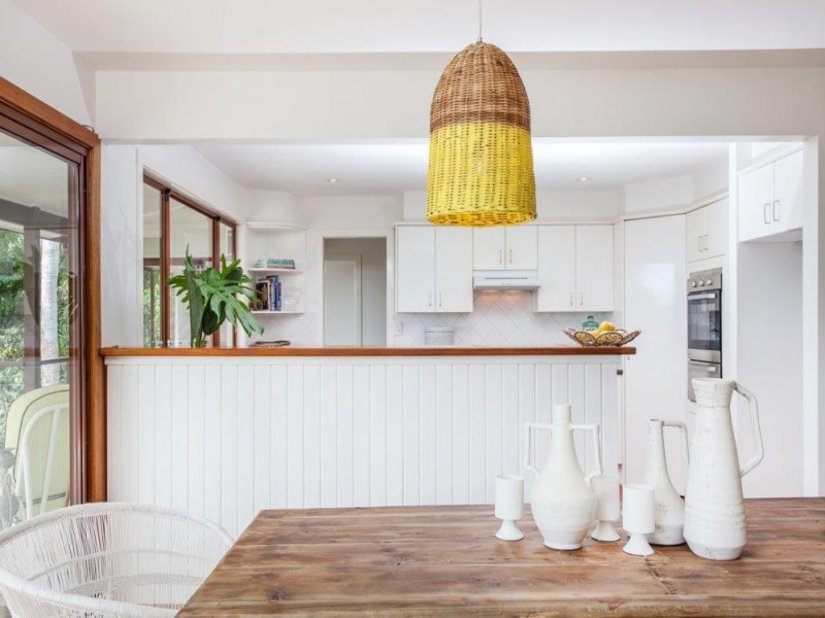
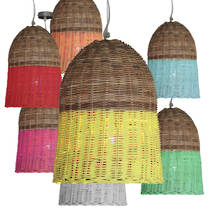
Wild About Wicker!

Get this fabulously fun and fruity look with dip-coloured wicker pendant lights

dipped_basket_pendantsA lot of crafty seventies interiors trends are making a comeback at the moment and at Eco Chic we’re wild about wicker!  One of our obsessions is pendant lights.  In a kitchen, dining room, living room, hallway, kids room…we can’t get enough of them, so combining pendants with a fun take on retro wicker is win-win in our book! Continue reading “Wild About Wicker!”

Natural Driftwood Festive Decorations

Celebrate The Perfect Coastal Christmas With Eco Chic

At Eco Chic we love making creative use of all things unloved and washed up! So what better use of Australian driftwood than to create some fabulous festive decorations for a delightfully coastal Christmas? Continue reading “Natural Driftwood Festive Decorations”

ECO CHIC, STYLISH GIFT IDEAS FOR CHRISTMAS

Give a homewares gift with a conscience

Elegant, unique and eco friendly homewares gifts don’t need to cost the Earth. If you’re stuck for ideas this Christmas, Eco Chic, the online homewares and furniture emporium for the eco stylish, has some really beautiful ideas for the perfect gift with a conscience.

Handmade Istanbul and Agate Coasters

Coasters are a brilliant way to add a bit of colour and style to a room in a very subtle way. They’re also a must have if you want to avoid marking your beautiful furniture.

The Ististanbul_Coastersanbul coaster collection will add a splash of divine international charm to your table. Craftsmen make these beautifully colourful, handmade coasters from tumbled limestone, using designs from ancient Turkish frescoes, transferred onto each piece by hand – which means each coaster is unique. To protect your furniture, the bottoms of these pieces have cork backing. They’re heat resistant and can be easily wiped clean.

Each coaster is 10cm x 10cm. $90 set of 4.

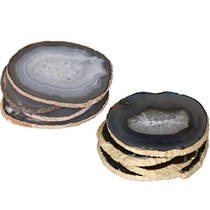
agate_coastersThe Agate coaster collection is perfect for dad’s den or a modern city pad. Add a splash of organic style with these unique hand-cut coasters, cut from slices natural Geodes (spherical rocks). Agate is a variety of silica, characterised by its fineness of grain and brightness of color, usually found in volcanic rocks.

The bottoms of these pieces have soft bumpers so they will stay in place and not scratch. There are two different colours: Grey with natural edges or Charcoal with 18 carat gold edging for a bit of extra bling!

Each Agate coaster averages 8-10cm diameter – all are different. $120 for set of 4.

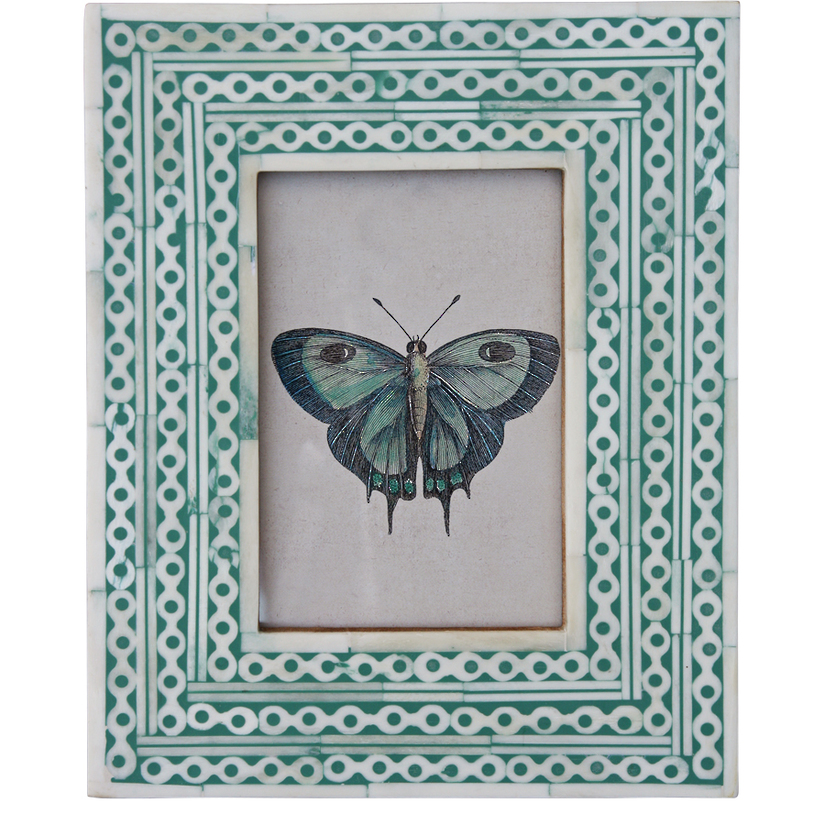
mariposa_Bone_picture_frameNew Eco Chic Beautiful Bone Photo Frames

Get into an eco frame of mind this Christmas with our new 2015 collection of beautiful frames made from intricately hand-worked bone. While some may associate bone with outlawed hunting practices, our bone frames are hand made from genuine cow bone that is an abundant by-product of the cattle trade and encourages use of the entire animal product.

The bone is lovingly hand-worked by skilled craftsmen who carve and hand-dye the bone to create the most gorgeously coloured, individual designs, which will provide a wonderful home for your photos, while adding colour and style to your home. Given their handcrafted nature, each frame is unique.

Eco Chic features many furnishings that are handmade by artisans and craftsmen, which provides the dual benefit of creating jobs for people (not machines) and promotes historical and cultural handicraft techniques.

Holds a 4″x 6″ photo. Overall dimensions are 17 x 23cm. $80

histoire_soap_dispensers.2.1.1.1.1.1.1.1.1.1.1Ceramic Soap Dispensers Give a Stylish Twist to Christmas Toiletries!

Ceramic is an ancient and eco friendly process that utilizes readily available and renewable resources like clay and people have been creating both practical and ornamental homewares from it since time immemorial.  Eco Chic’s beautifully decorated French style ceramic soap dispensers are both practical and ornamental. Handmade, handpainted and fired these beautiful soap vessels will add a little je ne sais quoi to every bathroom!

Pretty, practical and easy to use – add a fresh, floral fragranced soap to complete the effect and you have a very stylish take on the “Christmas toiletries” theme. Perfect for mums, grannies, aunties and friends.

Soap Dispenser Size: 11cm wide x 6cm deep x 23cm high. $70

custom_pet_cushions_lrPicture Your Own Pet Cushions!

The next best thing to snuggling up to your furry friend, these cushions feature your very own pet on a handmade, natural linen cushion that comes with an insert fill made from recycled PET (geddit?!) drink bottles.

These cushions make the perfect gift for anyone who loves their pets as much as the Eco Chic team, whose sample cushion is in memory of Bess. And for any cushion you order, Eco Chic will donate $10 to the Animal Welfare League.  We’re keepin’ it Furry, friends.

Just send in your high res image and Eco Chic will make a custom cushion you will treasure forever. Shipping Time.  Approx 3-4wks; Accent Cushion Size: 40cm x 40 cm.

For more information and to view everything in store at Eco Chic, go to www.ecochic.com.au.

ENDS

NOTES TO EDITOR:

For more information, pricing, photography or product, for shoot, or for interviews with Cris Bucknall or Paula Breckman, please contact sophie@prchicks.com.au.

TV Chef Manu Feildel reveals his perfect day as a regular Dad

2012-07-18-Manu-S3-001-667x1000-600x899We know him as a chef and TV personality, but here Manu Feildel tells CareforKids.com.au what he’s like as a regular dad to son, Jonti,10.
MANU FEILDEL is one of Australia’s best known and loved chefs. The host of Channel7 series My Kitchen Rules, has been a feature on Australian television for over a decade.
In 2011 Manu won the 11th series of Dancing with the Stars, showing that he has an array of skills outside the kitchen! He is the author of three successful cookery books and lives in Sydney’s Eastern Suburbs.
C4K: What’s it like being a famous Dad – for you and for Jonti?

MF: Obviously I don’t see myself as a famous dad, just a dad to Jonti. As he’s getting older though, he’s noticing more and more that I get recognised when we’re out. He’s very good about it, but it can be frustrating when you just want some father and son time.

C4K: You can control a kitchen full of chefs and staff – could you control a room full of children?

MF: No way. Most of the chefs don’t cry if I shout at them, but I’m pretty sure if I shouted at a room full of kids they would all be in tears… closely followed by me.

C4K: How did you spend Fathers’ Day this year?

MF: We didn’t do anything special really, Sunday is our day anyway, so we just made sure we had some quality time together as usual.

C4K: What’s your ideal day with Jonti?

MF: A trip to the cinema (he’ll watch the movie while I have a snooze!), brunch somewhere, a kick around the park, depending on the weather maybe a trip to the beach and a swim and then dinner at home.

C4K: How would you rate yourself as a dad?

MF: I hope I’m not too bad; you’d have to ask Jonti for my score out of 10 though!

C4K: What are your strengths and weaknesses when it comes to parenting?

MF: I think I am firm and fair. I love to have fun and a laugh with Jonti, but he realises I’m the one in charge and when it’s time for discipline 9 time out of 10 he listens first time.

C4K: What are your hopes for Jonti?

MF: That he is happy and healthy and follows his dreams.

C4K: If he came home one day and announced he was going to join the circus, like you did, what would your reaction be?

MF: I’d be happy for him, as I said I’d love him to follow his dreams and I hope that I would support him in whatever these dreams may be.

C4K: Top 3 things you couldn’t do without as a parent?

MF: Bribes! After school club and a sense of humour!

www.manufeildel.com.au

Written by Sophie Cross for CareforKids.com.au Published 24/9/14.  http://www.careforkids.com.au/newsletter/2014/september/24/interview.html

GET THE LOOK WITH ERE PEREZ: BINDI IRWIN

The young wildlife warrior shows Aussie teenagers how to look young, fresh and age appropriate!

CREDIT: www.huffingtonpost.com
CREDIT: http://www.huffingtonpost.com

Wow! Little Bindi is all grown up and we love her look. Always a great ambassador for Australia, Bindi is a class act as a teenager, showing her personality and edginess, but maintaining a healthy, natural look. If only all Australian teens would take her lead on how to look young, fresh and age appropriate!

All our products are healthy, nourishing, free from all nasties. They’re designed to let the skin breathe, so they’re perfect for young skins.

Get Bindi’s look with the following:

  • Oat Milk Foundation – light to medium
  • Clever Carrot Colour Balm – harmless
  • Natural Almond Oil Mascara or Clear Gel Mascara with Aloe Vera
  • Creative Chamomile Eye Shadow Duo in I love Vintage
  • Rich Olive Oil Lipstick High Tea

Look up all of these great makeup must-haves on our shiny new website. www.ereperez.com

CHECK OUT ERE’S NEW ECO VEGAN TOOLS!

Ere Perez now has a brand new collection of Eco Vegan brushes!

These new brushes are so unbelievably soft you’ll just want to sit and brush your face with them all day!! Of course they’re all still of the highest professional standard, using natural, supersoft and cruelty free materials, but they’re now vegan and include a brand new Multipurpose Flat Head Brush, especially designed to apply our creamy multi-tasking cheek and lip products, foundation and highlighters.

This slideshow requires JavaScript.

Natural, supersoft, vegan and certified Cruelty Free, we use biodegradable materials, such as corn resin (instead of plastic) for the handles and the hair is now made from super silky nylon, rather than animal hair. The synthetic hair is particularly good for sensitive skin and is much more economical with the makeup itself, wasting a lot less than more porous animal hair.

All these fab new brushes are designed to be super easy to work with as well as to achieve the best results possible: They are are tapered and textured to provide great coverage and softness and designed to give all users the tools to create a perfect look with the minimum makeup know-how!

The handles are much longer lasting than wood handles and should be cleaned with a mild hair shampoo for hygiene when necessary.

The new brushes include:

ECO VEGAN MULTIPURPOSE BRUSH – This is an absolute brush winner and will become a makeup bag essential! Designed to give the best application for all creamy products, it’s perfect for Ere Perez Clever Carrot Cheek & Lip Balms, Versatile Vanilla Highlighters and the Oat Milk Foundation. RRP AUD $32.95

ECO VEGAN CONCEALER AND LIP BRUSH – The tool that makeup artists rely on, this is the essential vegan and eco cover-up brush for Arnica Concealer and Oat Milk Foundation. Two brushes in one, it’s perfect for touching up and creating flawless skin. The larger brush end has a wide, flat surface, ideal for disguising red cheeks, broken capillaries, sunspots or any areas of discolouration. Use the smaller, defined end to apply directly to spots, breakouts and over delicate areas, such as the rim of the eye or for lipstick application. AUD $29.95

ECO VEGAN EYE BRUSH – The beautiful dual purpose, two-ended vegan eye brush has a fine tapered end to apply fine lines to create more of an eyeliner look. It can be used wet with our Creative Chamomile Eye Shadow Duo colours to give a more precise eye colour, while the fatter, rounder end is perfect for smudging and blending. AUD $29.95

ECO VEGAN POWDER BRUSH – Look no further than this brush to use with all Ere Perez natural Pure Rice Powders. With full, round bristles for smooth application, it feels amazingly soft on the skin, to the point you might get stuck in front of the mirror just brushing your face for hours. AUD $33.95

www.ereperez.com

MEDIA CONTACT: Sophie Cross @ PRChicks sophie@prchicks.com.au

Australia: PRODUCTIVITY COMMISSION DIVIDES CHILD CARE INDUSTRY

But What is Best for Working Parents?

The Productivity Commission’s draft report published in July looked at the issues facing many parents whose lives and working hours don’t conform to standard child care hours or “approved” child care services. It also discussed how to address the chronic shortfall of child care places in many areas and how to improve women’s workforce participation.

Two of the recommendations made were that overseas Au Pairs should be allowed to stay with one family for the full 12 month working holiday visa (opposed to the current six month maximum period with any one family) and that there should be an extension of child-based government assistance to enable greater access to home-based care services. This is in order to improve accessibility for the growing number of families with parents who work irregular or non-standard hours.

The report also argued that the government should allow approved nannies to become an eligible service, for which families can receive assistance, conditional on those nannies meeting the same National Quality Standards, care ratios and qualifications that currently apply to family day care services.

The above recommendations have been put forward to help address the huge unmet demand for child care in Australia, particularly for the under twos, together with the needs for those families with more than one pre-school aged child, and those with special circumstances, who are working shifts or unsociable hours or who have children with special needs.

In Australia, there are around 3.8 million children under 13 years old, living in over 2 million families. Around half of these children use some form of non-parental care in either the formal or informal sectors or both. And demand is growing as the population and workforce increases.

The Productivity Commission estimates that over 100,000 additional full-time places will be needed by 2026. And increasing long day care places and assistance for Family Day Care Services will still not meet these numbers or the needs of all parents.

Industry bodies and child care businesses of course all have their own opinions to the plausibility, viability or suitability of these recommendations and there will inevitably be some debate over the correct division of child care funding.

The Productivity Commission is suggesting that the various child care benefits, rebates and special assistance be streamlined into one means tested subsidy to make it fair and easy to navigate for parents.

Au Pairs can be a great option for families, particularly if parents buddy up and share an au pair. Only one of you needs to have the extra bedroom, but all can chip in for the cost of bed, board and pocket money. They can bring a different cultural experience for children and often a new language to learn.

And don’t be fooled into thinking that Au Pairs are inexperienced or unqualified. Many women across the world have been au pairs for years. They often have child care qualifications in their own countries and are likely to be more experienced in child care than many child care workers in formal day care centres! The only downside is that they can only stay for up to a year.

Nannies have been around for just as long, if not longer, than day care centres and child-minders. They are often seen as elitist, but the fact is that if you have more than one pre-school child they are far more viable, for average income families, not just high income earners. They often become a very valued member of the family and a good nanny is worth his or her weight in gold.

Vice-president of the Australian Nannies Association (ANA), Annemarie Sansom said that families employing a professional nanny should receive subsidies equivalent to those applied to other forms of childcare.

“When families have two or three children in childcare, the cost is comparable to that of employing a nanny. What makes employing a nanny more expensive at the moment is the lack of any subsidy,” she said.

In-home care is essentially a part time or full time nanny service, but one that is approved and subsidised by the Federal Government, due to special circumstances. It enables families with unusual work, location or care requirements to access approved child care in their own home, and is currently only available to those families that are unable to access standard child care services and/or families in unusual circumstances.

In-Home Care is particularly appropriate for families where parents work night shifts or unsociable hours, as well as those who are in remote locations and don’t have access to child care centres etc.

Recent Government initiatives and Productivity Commission recommendations have included the expansion of access and eligibility to in-home care and funding has been increased to enable more families to access the service.

To see how in-home care varies from the other forms of child care currently available to parents have a look at our child care comparison table.

There is no wrong or right form of child care. No one-size-fits-all. All families and their needs are different.

Written by Sophie Cross for CareforKids.com.au: http://www.careforkids.com.au/newsletter/2014/september/17/pc.html